
There are numerous side effects of https://ecosoberhouse.com/. Drinking on blood thinners will result in a large amount of bleeding. Drinking contributes to blood-thinning; however, the type of ethanol, frequency, and amount also matters. Research has not specified if red wine, beer, or any other alcoholic beverage has a higher capacity to cause deep vein thrombosis (blood clot on a deep vein, usually the leg). However, liquor was implicated as a risk factor in the development of deep vein thrombosis. This could be due to the higher volume of ethanol in liquor and the tendency for abuse.

A person who is uncertain whether they can drink alcohol while taking blood thinners should speak with a doctor. Anyone who experiences severe symptoms, such as constant bleeding, intense pain, or dizziness, should seek emergency care. People taking blood thinners with reduced liver function may accumulate more medication in their bloodstream. Increasing the level of blood thinners in the body can lead to an increased risk of bleeding.
Plavix and Alcohol
Drinking on blood thinners (BTs) may seem harmless, but some effects may become visible over time. What is the relationship between alcohol and blood thinners? Does mixing alcohol with blood thinners have negative health implications?
While traveling, it’s important to always carry your medication with you. If you have the following signs of bleeding, you should immediately call 911 or your health care professional. A person needs to speak with a doctor about taking blood thinners safely. Get emergency medical care immediately if you or someone else has symptoms of severely low blood pressure. And if you have an underlying health condition such as diabetes or kidney disease, ask your doctor whether it’s safe for you to drink at all. Researchers have found that drinking tomato juice for three weeks had a blood-thinning effect in people with the disease.
Can You Drink Alcohol Instead of Blood Thinners?
People taking anticoagulants should reduce ethanol consumption for the sake of their health or contact a rehabilitation center in case of an addiction to ethanol. They should also be on the lookout for signs of internal bleeding. Alcoholics with anticoagulant prescriptions should actively seek help in rehab institutions. Professional medical treatment will help to reduce their risk of developing severe health complications. The possible result of the concomitant use of blood thinners and alcohol has always been uncertain. People who take anticoagulants do so to reduce the risk of excessive clotting.
Nena Messina is a specialist in drug-related domestic violence. She devoted her life to the study of the connection between crime, mental health, and substance abuse. Apart from her work as management at addiction center, Nena regularly takes part in the educational program as a lecturer. ACOA is an organization that provides a forum for people who desire to recover from the effects of growing up in an alcoholic family. Additionally, the NIAA advises that studies have indicated that heavy alcohol use and AUD have links to increased surgical complications.
Why Are Blood Thinners Prescribed?
The safest way to avoid complications is to refrain from exceeding the recommended daily intake of alcohol. Alcohol can also affect the action of platelets, which are the components of the blood that form clots. A 2016 review suggests that significant daily alcohol consumption increases the activity of platelets. Researchers have found that low-to-moderate drinking could reduce certain processes that lead to heart disease and inflammation. However, more research is necessary to determine whether alcohol use is directly responsible for these possible heart benefits.
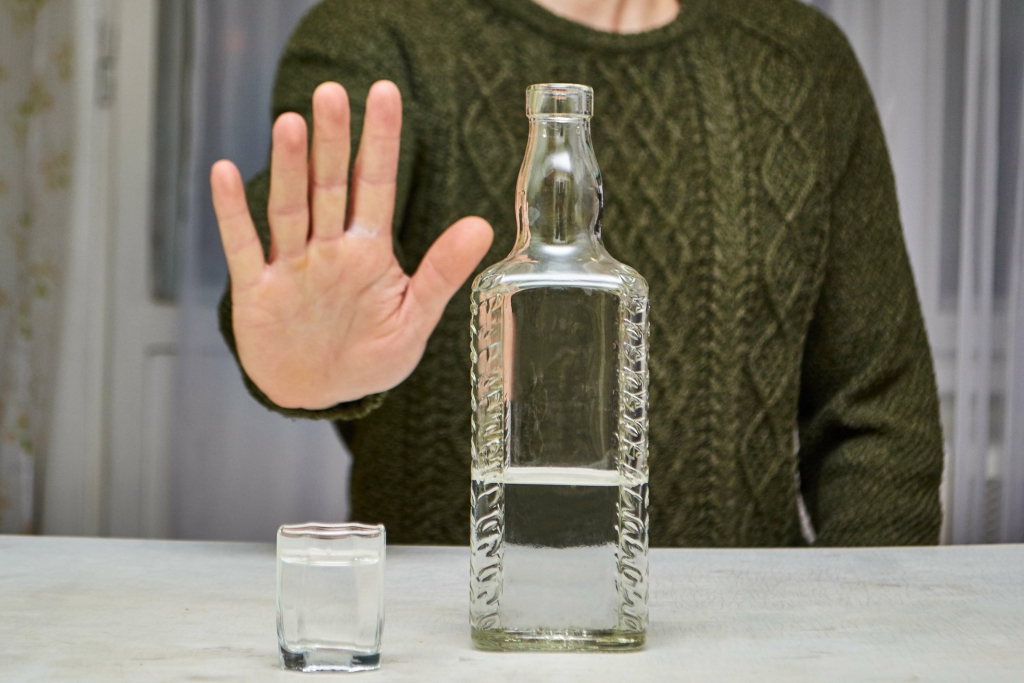
Alcohol will interact with blood thinners like Coumadin (warfarin), increasing the medication’s anticoagulant effect and your risk of bleeding2. You should avoid or reduce the amount of alcohol you drink while on blood thinners. People taking blood thinners are cautioned against drinking alcohol, but research has found that it is generally safe when done so infrequently and in moderation. Speak to a healthcare provider before drinking alcohol while on blood thinners.
Blood Thinners and Alcohol – Impact & Mixing
Before starting Eliquis treatment, tell your doctor if you have triple-positive APS. They’ll likely recommend a medication other than Eliquis for your condition. It’s not known whether it’s safe for people with an artificial heart valve to take Eliquis. blood thinners and alcohol If you have an artificial heart valve, your doctor will likely not prescribe Eliquis. They’ll recommend a different medication to take for treating or preventing blood clots. Do not stop taking Eliquis without first talking with your doctor.
- Drugwatch’s trusted legal partners support the organization’s mission to keep people safe from dangerous drugs and medical devices.
- Eliquis has a boxed warning for the risk of spinal blood clots from certain spinal procedures.
- Having too much Eliquis in your body may increase your risk of side effects.